
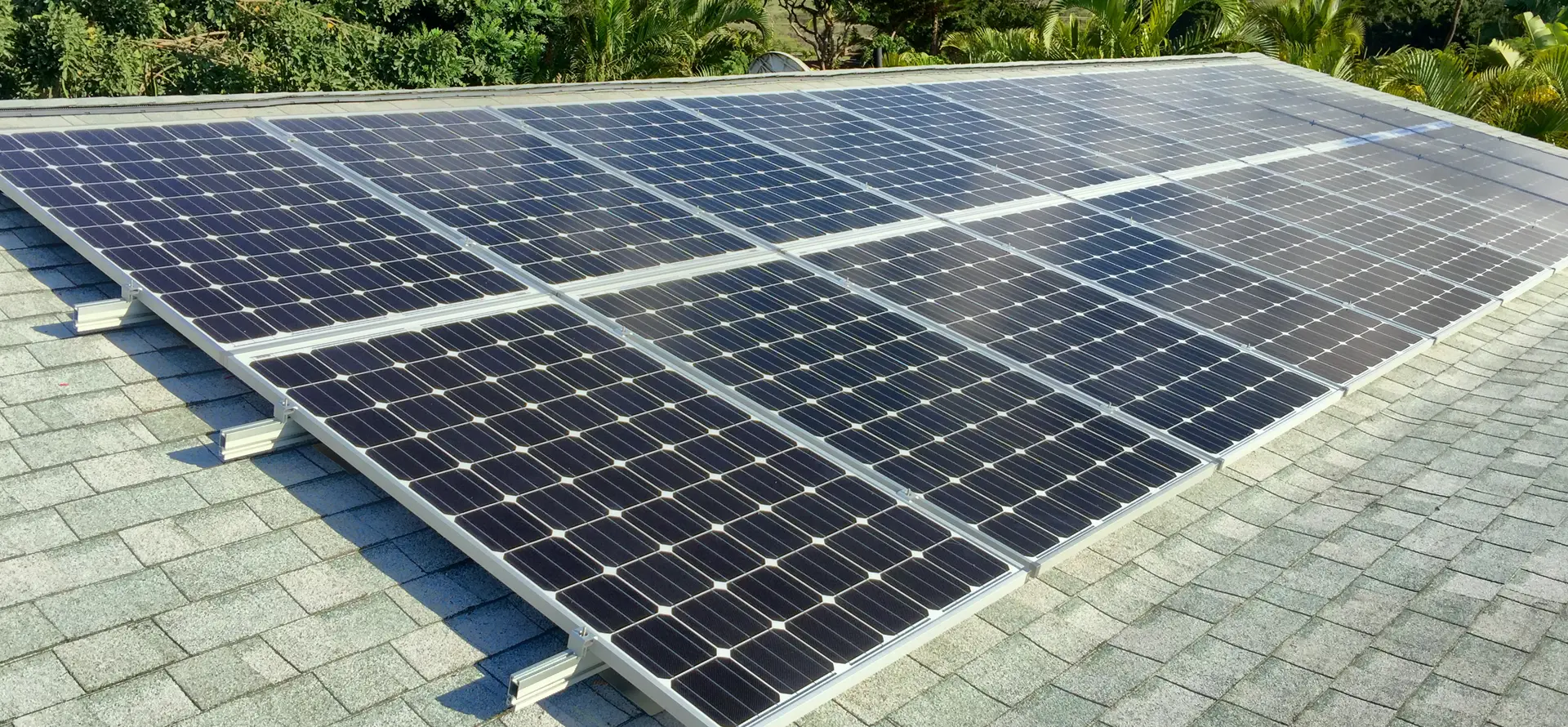
Solar Lease vs. Solar Purchase in Hawaii: Which is Better for Homeowners?
Hawaii homeowners are increasingly turning to solar energy as a way to reduce high electricity costs and take advantage of the islands’ abundant sunshine. When exploring solar options, one of the most common questions homeowners ask is whether it’s better to lease a solar system or purchase one outright.
Both solar leasing and solar ownership provide access to clean energy and long-term savings. The right choice often depends on a homeowner’s financial goals, budget, and how they plan to use solar energy over time. Understanding the differences between a solar lease vs. solar purchase in Hawaii can help homeowners decide which path makes the most sense for their household.
What Is a Solar Lease and How Does It Work?
A solar lease allows homeowners to install solar panels without purchasing the system outright. Instead of paying the full cost of the equipment upfront, the homeowner enters into an agreement to use the system while benefiting from the electricity it produces.
In Hawaii, many solar providers now offer a modern pre-paid solar lease structure. This approach allows homeowners to make a single upfront payment for the lease rather than committing to ongoing monthly payments. The system is installed on the roof of the home, and the solar company remains responsible for maintaining the equipment while the homeowner enjoys the energy produced by the panels.
This structure has become increasingly popular because it offers a balance between affordability and long-term savings. With a pre-paid solar lease, homeowners can often lock in years of solar energy production without worrying about rising electricity costs or maintenance responsibilities.
Another advantage is flexibility. Because the system is professionally maintained by the provider, homeowners can benefit from reliable solar energy without managing the technical aspects of the system themselves.
For many households, leasing represents a modern and accessible way to adopt renewable energy. It removes many of the barriers traditionally associated with solar installation while still allowing homeowners to enjoy the financial and environmental benefits of solar power.
What Does It Mean to Purchase a Solar System?
Purchasing a residential solar system means the homeowner owns the equipment outright. This can be done either through a direct purchase or through financing options that allow the cost to be paid over time.
Owning solar panels provides long-term control over the system and allows homeowners to capture the full financial benefits of the electricity the system produces. Once the system is paid off, homeowners may see even greater energy savings because they are generating power without ongoing equipment payments.
Solar ownership can also increase property value and may make a home more attractive to environmentally conscious buyers in the future.
For homeowners who plan to stay in their home for many years, purchasing solar panels for homes can become a long-term investment that continues delivering value over time.
Explore Solar Leasing or Ownership with a Free Consultation
For homeowners considering solar energy in Hawaii, both leasing and purchasing offer practical paths toward lower energy costs and greater energy independence. The key is understanding which option fits your household best.
Pacific Energy helps homeowners evaluate solar options with clear guidance and customized recommendations. Our solar leasing programs allow homeowners to install residential solar systems without a large upfront investment, while solar ownership options provide long-term energy savings and system control.
If you’re exploring solar lease vs. solar purchase in Hawaii, scheduling a free consultation with our team, and we’ll help you compare your options and find the solar solution that fits your home and energy goals.